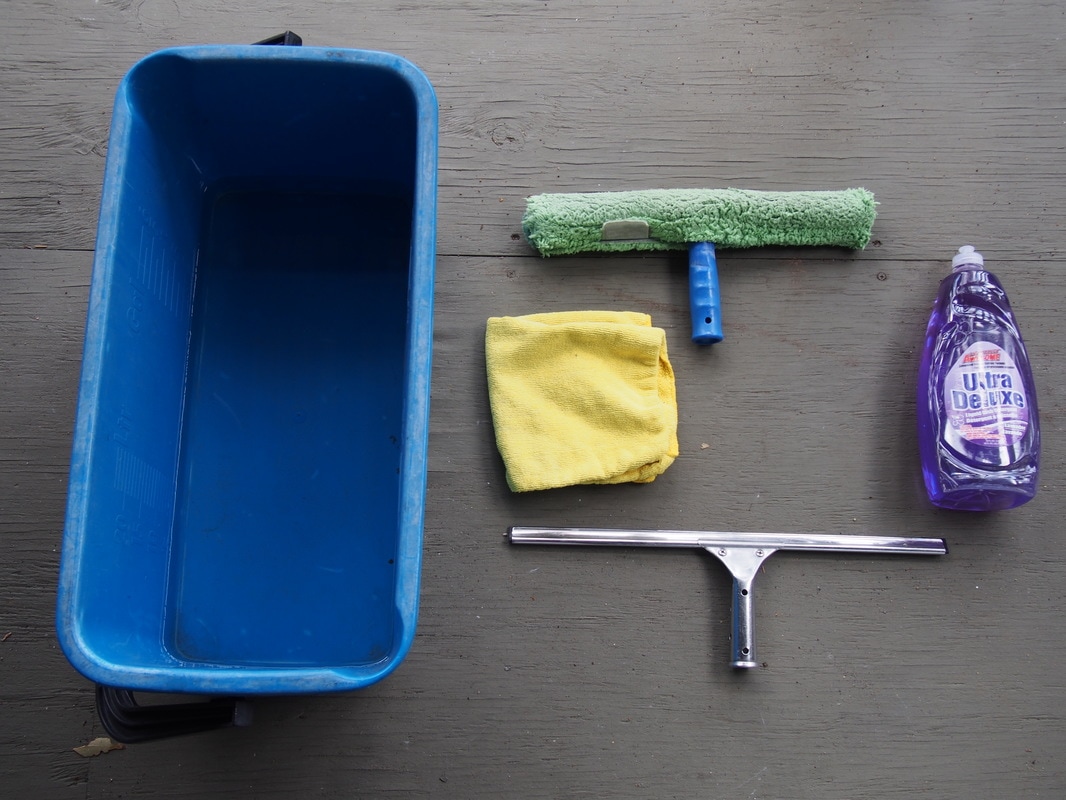
How to Wash Windows Without StreaksCleaning an entire house with spray cleaner and paper towels can take a long time and often leaves streaks. With a few basic tools and the right method, homeowners can get much better results. I’ve cleaned windows professionally for over 20 years. The method below isn’t the only way to clean glass, but it is a good starting point for ordinary, accessible residential windows. Before You Start Don’t attempt windows that require you to work from an unsafe ladder position, climb onto a roof or lean outside an upper-story opening. Those windows are better left to someone with the appropriate equipment and experience. What You’ll Need • A bucket • A window scrubber or T-bar mop • A good-quality squeegee • Several clean towels • Water • A small amount of dishwashing soap You don’t need a bucket full of suds. A small amount of soap helps the scrubber move across the glass and gives the squeegee the lubrication it needs. Too much soap can leave residue. Step 1: Remove the Screens Remove the screens before cleaning the glass. Brush or rinse away loose dirt and set the screens aside to dry. If the window tracks contain a lot of loose dirt, remove that first. Otherwise, the dirt can turn into mud when water reaches it. Step 2: Wet and Scrub the Glass Dip the scrubber into the cleaning solution and squeeze out some of the excess water. Wet the entire pane and scrub the glass, paying attention to the corners and edges where dirt tends to collect. Ordinary dirt usually comes off easily, but bird droppings and stuck-on material may need additional attention. Avoid using razor blades or abrasive pads unless you understand the type of glass and any coatings it may have. The wrong tool can permanently scratch or damage a window. Step 3: Use the Squeegee Start at the top of the pane and pull the squeegee across or down the glass in smooth strokes. Overlap each stroke slightly so you don’t leave a wet line between passes. Wipe the rubber blade with a clean towel whenever it collects excessive water or dirt. A worn, damaged or dirty squeegee blade is one of the most common causes of streaks. Step 4: Detail the Edges After squeegeeing, use a clean, dry towel to wipe the small amount of water remaining along the edges and corners. Try not to wipe the middle of the glass unless necessary. Rubbing the entire pane with a towel can put lint and streaks back onto otherwise clean glass. Step 5: Clean and Replace the Screens Scrub or rinse the screens rather than simply brushing them with a dry towel. Allow them to dry before putting them back into the windows. Common Reasons Windows Still Look Dirty • Too much soap was used • The squeegee rubber is damaged or dirty • Strokes weren’t overlapped • A dirty towel was used for detailing • The glass dried before it was squeegeed • Mineral deposits or hard-water spotting remain on the surface White mineral spots may not come off through normal window washing. Aggressive chemicals or scraping can damage certain glass, so test carefully or consult a professional. When Professional Cleaning Makes Sense Cleaning your own accessible windows is possible, but second-story windows, large panes, divided-pane windows and heavy mineral deposits can be considerably more difficult. Professional cleaning can also include the details that take the most time: interior and exterior glass, screens and tracks. If you would rather have the work handled for you, text or call Zac at 760-450-2135. Pacific Window Washing serves homes and businesses throughout North County San Diego. 1. A bucket for soapy water.
2. Dish washing soap. Yes that's right it's the trades secret formula. 3. A T-bar mop. This is the blue handle thing with a scrubber mop on it. 4. A few towels. 5 A squeegee
2 Comments
|
|